
Hall of Fame: Sustainability statements in the semiconductors sector
As global demand for computing power to support digitalisation, artificial intelligence, and advanced connectivity continues to rise, the semiconductor sector is playing an increasingly central role in this transformation. In this edition of the Hall of Fame, we explore sustainability statements published by companies in the industry. Our analysis includes European semiconductor companies operating across the upstream segment and their own operations within the value chain.
Our evaluation focuses on three key criteria:
- Double Materiality Assessments (DMA) – including how dependencies are addressed, alignment with the ESRS topic list for naming impacts, clarity on process versus outcome, optimal number and relevance of IROs (too many or too few), and the balance between impacts, risks and opportunities.
- Communication & visuals – covering the effective use of tables, charts, and diagrams, quality of language, overall flow, and storytelling.
- Navigation & structure – including how the sustainability statement is organised and laid out, such as the use of tabs, and how clearly it links to the ESRS requirements.
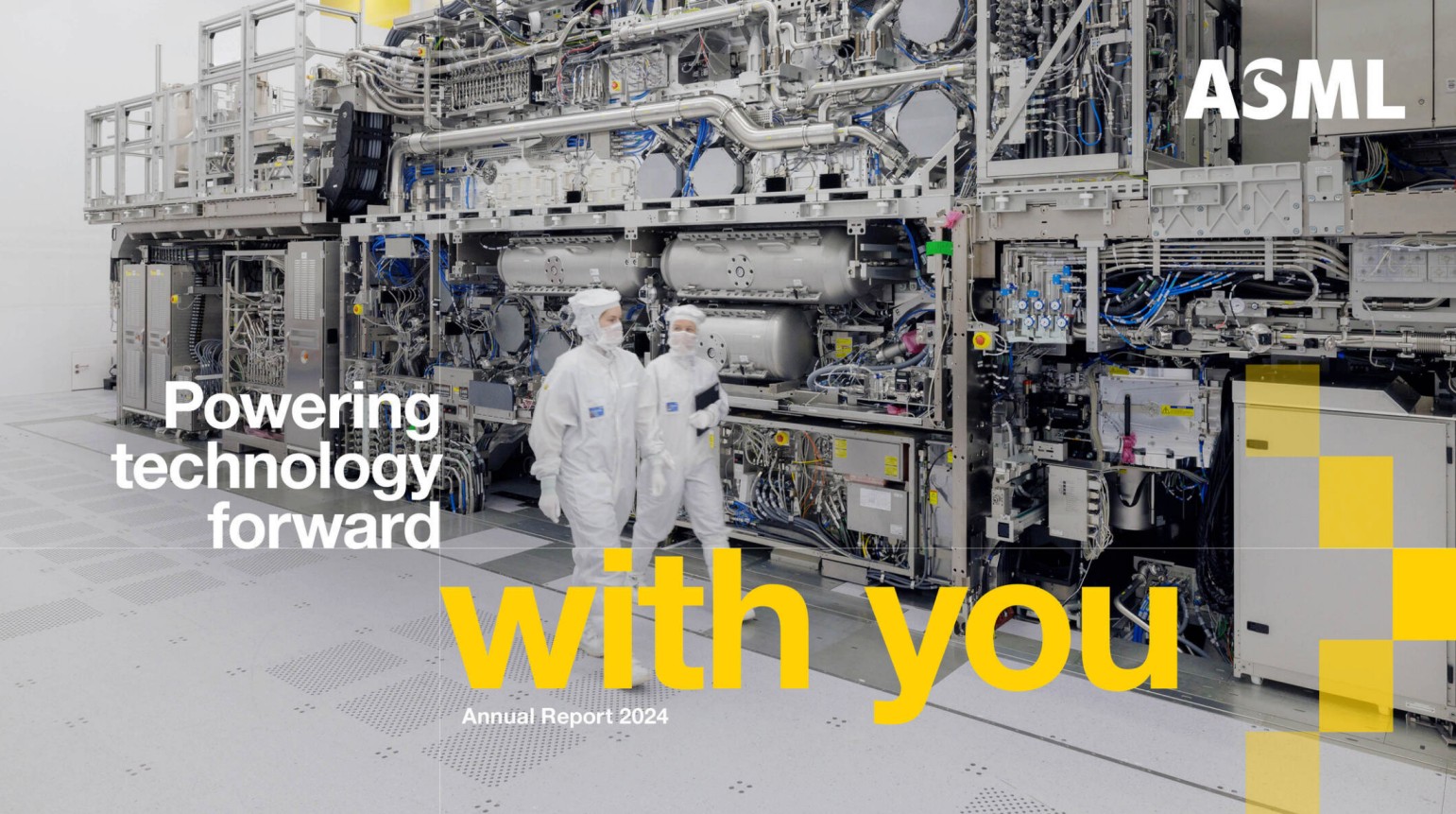
ASML
Double Materiality Assessment ★★★★☆ (4/5)
ASML identifies 29 material impacts across areas such as climate change, circular economy and resource use, the company’s own workforce, workers in the value chain, affected communities, and governance. While the number of topics may seem high, it ensures broad coverage of key sustainability issues while remaining practical to manage. The outcome of the assessment is largely risk-focused, with only two opportunities identified. Entity-specific topics are also identified, including responsible product use and the societal impact of research. It is not entirely clear, however, why these topics are not categorised under Consumers and End-users (S4), where they could fit. Overall, the report strikes a strong balance between explaining the DMA process and presenting its outcomes, with topic names aligned to ESRS standards, supporting clarity and comparability. The DMA process did not cover dependencies, omitting an important step needed to derive relevant risks and opportunities.
Communication & visuals ★★★★☆ (4/5)
The report makes good use of charts and tables, helping present information in a clear and accessible way. Its design is consistent with the company’s brand, though creative elements fall short. The value chain illustration stands out as the most creative element, effectively visualising the company’s operations and position within the sector, though additional illustrations or visual elements could make the report even more engaging. Overall, the language is straightforward and easy to follow, supporting clarity and readability for a broad audience.
Navigation & structure ★★★☆☆ (3/5)
Navigation is particularly important given that the sustainability statement is embedded within a 400-page annual report. The top-page navigation tabs work well, helping readers move through the report efficiently. However, the table of contents within each section could have included clickable links to further improve usability. Another missed opportunity is the absence of ESRS tagging, which would have made it easier to track regulatory requirements and map disclosures directly to the ESRS framework.
Nordic Semiconductors
Double Materiality Assessment ★★★★★ (5/5)
With 16 material impacts and 13 risks and opportunities, Nordic Semiconductor presents a well-balanced DMA result that is feasible to manage in practice. The outcome is presented in a materiality matrix which, while not required by the ESRS, offers readers a useful overview. The result also highlights cybersecurity as an entity-specific topic, reflecting its relevance to operational resilience. While the explanation of the DMA process is thorough, it could have been more concise. A notable strength of the process is its clear consideration of dependencies on environmental resources—such as water and marine ecosystems—and essential materials, including metals, silicon, and rare minerals. Lastly, the material topic names are aligned with ESRS standards, ensuring regulatory alignment.
Communication & visuals ★★★★☆ (4/5)
The overall report, along with its tables and charts, is designed in a simple way. The inclusion of well-chosen imagery adds creativity and breaks up the technical content. The language is clear and straightforward, though it leans more toward a technical style rather than storytelling.
Navigation & structure ★★★★★ (5/5)
ESRS tagging is included throughout, making it easy for readers to locate information relevant to specific ESRS requirements. Navigation is intuitive and works well, with tabs and links guiding readers directly to relevant sections and subsections. The overall structure also aligns with ESRS recommendations, providing a clear and logical flow.
SUSS
Double Materiality Assessment ★★★☆☆ (3/5)
The DMA results identify 22 material IROs, covering a broad range of sustainability areas comparable to those addressed by other peers. An entity-specific topic is also highlighted, relating to customer satisfaction and product quality. Similar to ASML, it is unclear why this topic is classified as entity-specific rather than under S4 (Consumers and End-users). The presentation of the DMA outcome, however, is not fully consolidated. A table summarising material impacts, risks, opportunities, and their corresponding time horizons is missing, although the information is provided throughout the text. One notable limitation is that dependencies are explicitly not considered in the process, leaving a gap in understanding how reliance on environmental and social resources shapes the company’s material risks and opportunities.
Communication & visuals ★★★☆☆ (3/5)
The report adopts a simple, on-brand design, but lacks creative elements such as illustrations, charts, or imagery. The language throughout is concise and technical, with less priority on storytelling. Overall, the visual and communication approach could benefit from more creativity to make the content more engaging.
Navigation & structure ★★★☆☆ (3/5)
ESRS tagging is included, which helps readers refer the provided information to the relevant ESRS requirements. However, navigation across the environmental, social, and governance sections within the sustainability statement is difficult, as the report lacks tabs, links, or other tools to move quickly between sections. The addition of divider sections or enhanced navigational features could further improved readability and usability.
Get comfortable, there’s more
If you enjoyed this article, there's plenty more media to get your mind into.


The elements that matter most under the ESRS for chemical companies
Chemicals are essential to modern production but carry a significant global footprint. Our analysis shows that leading companies prioritise climate action, pollution control, health and safety, and responsible chemical management.

Sign up to our newsletter
and we'll report back to you with industry news and updates you'll actually want to know.